Blue Mountains Garden Seasons
For a trip to the Blue Mountains gardens one would do well to time it for spring or autumn. Spring has its moments in October and November when there are good garden displays and plenty of blossom; autumn from March through May is all about the seasonal colour and mildness, with less in the way of weather to contend with. Then there is winter for those who like their mornings crisp and cool-climate plants, and summer which is fine for making an early start and taking advantage of the long days.
Michael Fairchild here. In my experience you need to put some thought into a garden excursion or be done with it. Arrive at the wrong hour and the light will have passed you by. Pay no heed to the forecast and you will find yourself viewing the roses in sideways rain for the rest of the afternoon. What follows is how to plan a sensible day out in the Blue Mountains from Sydney, when to come and what each season has in store.
Best Season For A Visit
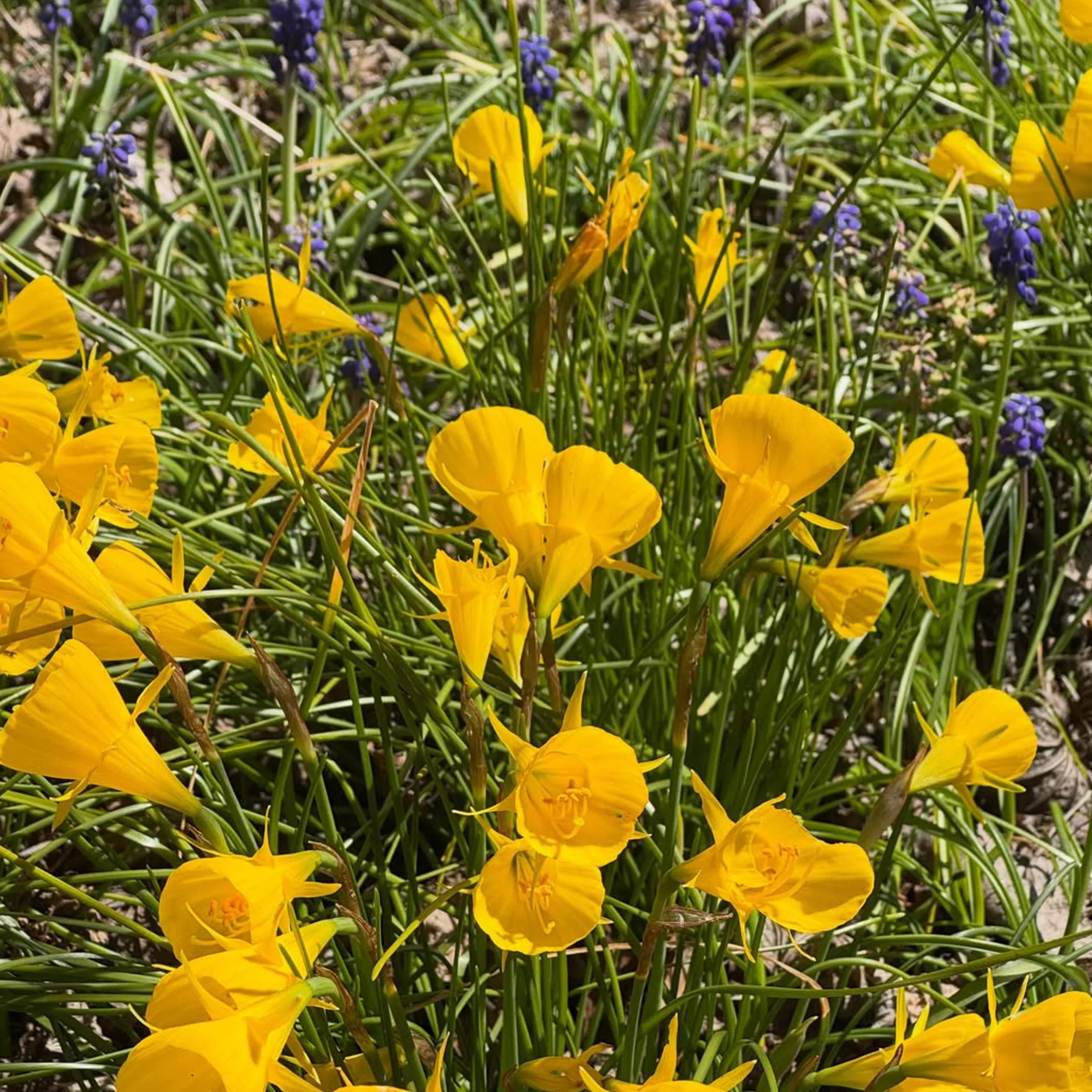
If flowers are what you are after, spring is the most compelling option. Autumn is preferable if you want to put in some walking in comfort, see some fine foliage and take things at a more sedate pace. As a rule both give you a nice mix of interest in the garden and on the bushwalks, without the travel from Sydney being onerous, making it an ideal Mount Tomah botanic garden day trip.
Do not be surprised if the weather turns on you. The region is higher up than Sydney with its exposed ridges and sheltered valleys. At 1,000 metres or so above sea level Mount Tomah will be a few degrees cooler than the city. Make sure you are dressed for the conditions in front of you, not the ones you left in the city.
A Traveller’s Seasonal Snapshot
| Season | Months | Highlights | Who it is for |
|---|---|---|---|
| Spring | Sept – Nov | Blossoms and fresh growth | Photographers and the like |
| Summer | Dec – Feb | Leafy gardens and the mountain air | Families, early risers |
| Autumn | Mar – May | Mild days and changing foliage | Walkers |
| Winter | June – Aug | Evergreens, mist and bare branches | The enthusiast |
Of course these are patterns and nothing more. An unseasonably warm spring will hasten the flowers, a dry spell will make a garden seem less lush. It is worth checking on access and fire conditions before you head out of Sydney in the summer.
Flowers And Displays In Spring
There is little question that the Blue Mountains gardens in spring are where you go for colour. Between September and November they put on a show of blossoms and new growth, a kind of cheerful disorder that makes a muddy path acceptable. October and November are generally your safest bet for the full effect, though it depends on the plantings. If there is a certain blossom you have in mind, ring the garden ahead of time instead of relying on something you saw on social media.
The Case For October And November
You will find October has a way of combining a cool morning with an afternoon that is warming up. November means longer days and more to look at but also more people at the popular spots. Get an early start for the sake of your parking, your photographs and to avoid having someone’s elbow in the frame.
One can pair a visit to Mount Tomah with a short walk or two in the spring. The alpine rainforest and plantings are not what you get in a suburban Sydney garden. You may encounter wind and damp ground so leave the smart shoes at home unless you are given to losing a battle with clay.
What People Miss In Spring
It is an assumption most make that the whole of the Blue Mountains is at its peak simultaneously. The area is large and the altitude makes a difference to how things grow. A garden in Leura could be in full swing while at Mount Tomah it is still feeling the cold and lagging behind. Nor should one think a light shirt is sufficient; the morning can be nippy and the clouds have a habit of coming in fast. Take a waterproof, some water and a snack, you will not always find a café to hand if you have put a bush track on your agenda.
Colour And Comfort In Autumn
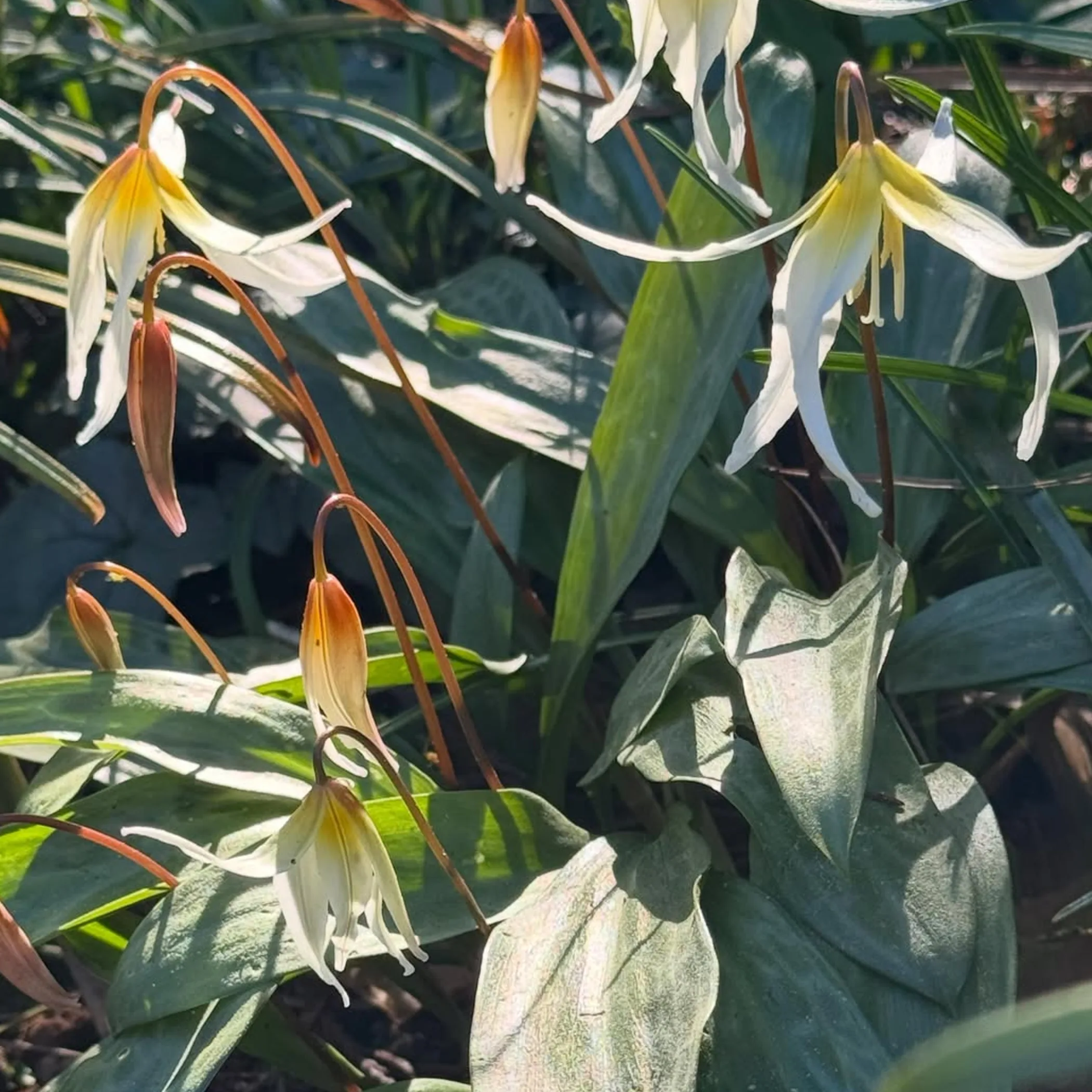
For those not bent on seeing the flowers at their peak, the gardens in autumn are hard to beat. The deciduous trees will have changed tone and the cooler air makes for an easier walk than in the height of summer. This is true from March to May and in the highland villages such as Mt Wilson late autumn is often very rewarding, provided the colour is with you that year. Altitude, the weather of late and which trees are in leaf will dictate the ideal time to see autumn in the Blue Mountains gardens. It is better to have a window of opportunity in mind than to pin one’s hopes on a single date.
The Case for Autumn
Walkers will find autumn a practical season. The temperatures are mild enough to make your way from garden to café or lookout without the stickiness of summer or a hankering for the air-conditioning of the car. When I began to regard a visit as a day trip in its own right and not a hurried photo op, autumn was the logical choice. There was no rush to get to the next attraction so the day seemed to stretch out; one could putter about, have a coffee and jot some notes before mustering the energy for a final walk to a lookout and home.
Weather in Autumn
Do not expect it to be dry all the time. A bit of rain is possible and it can leave the leaves on the steps and tracks slick. For any bushwalking you have in mind, give yourself extra time and look at the difficulty of the route; what is an easy path when dry can be rough going after a downpour. An overcast sky has its merits for a photographer in that it does away with hard shadows, but if you want the foliage to pop, you will need a sunny interlude. Be flexible in your expectations and do not build the whole day around one tree.
Summer and Winter
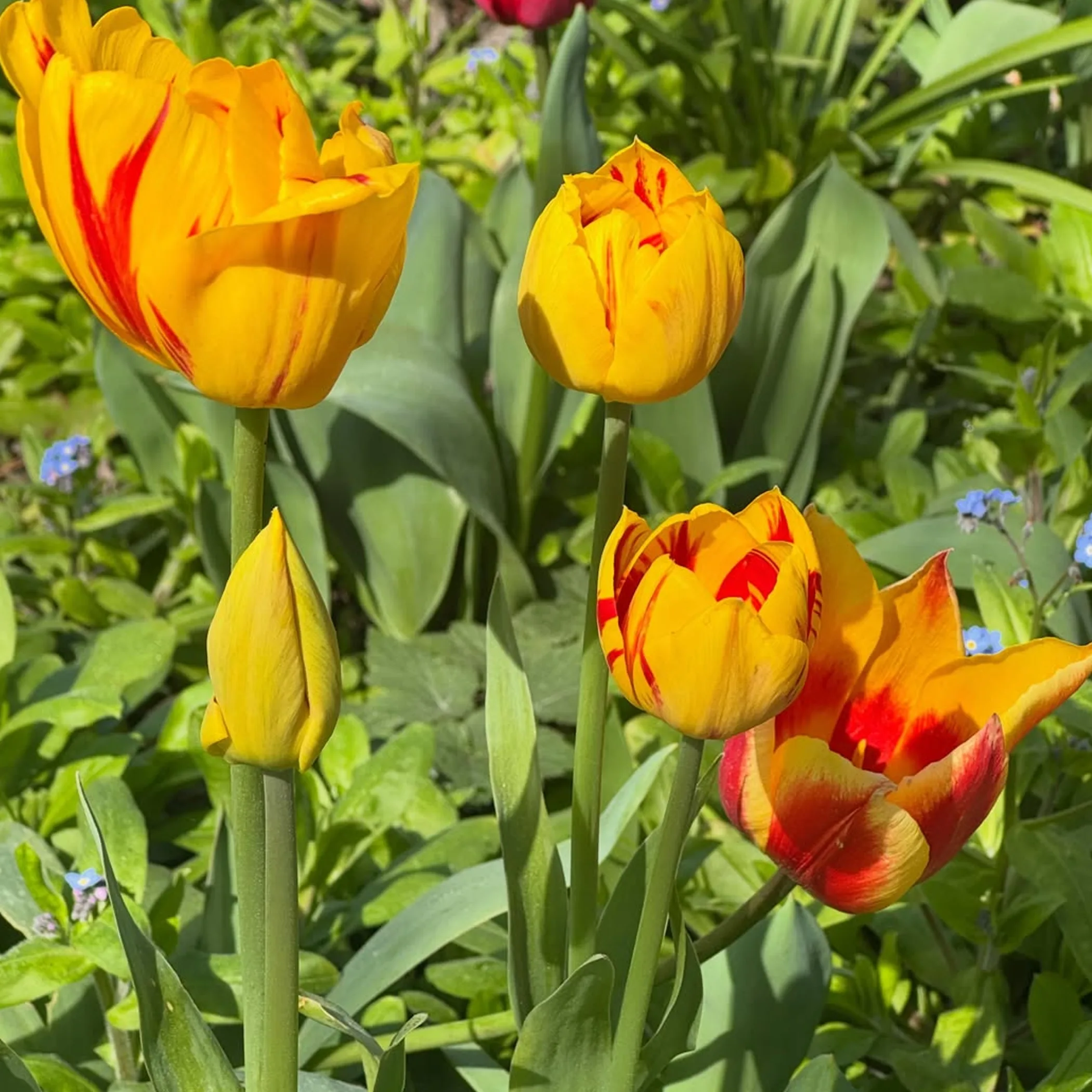
Both are viable options but for different visitors. Summer has the advantage of longer days and agreeable mountain heat, whereas winter is for those who like their gardens to be quiet and misty and can appreciate a plant that puts up with the cold. The trade-off is plain: in summer you have to contend with fire and heat, in winter with frost, cold mornings and less daylight. They are not to be ruled out but demand more forethought than spring or autumn.
An Early Start in Summer
Make an early start of it. Get out of Sydney ahead of the traffic and be at the first garden by opening time, confining your walking to the cooler hours. You will also find it easier to park at a well-frequented lookout like the Three Sisters in Katoomba. See what the bushfire and extreme weather warnings are saying before you go. And do not think to go where a gate has been put up just because you can step around it; conditions alter in a hurry and there is no pleasure in turning a garden visit into an impromptu rescue.
What Winter Has to Offer
A winter in the Blue Mountains can be rewarding for the patient. The evergreens put in some colour and the mist lends a moodiness to the landscape while bare branches show off their form. At Mount Tomah the cool-climate plants are of interest to anyone looking for something other than roses and spring blossoms. Put on some warm layers and factor in slower driving due to fog and wet roads. Make the garden your first port of call instead of putting it off till late afternoon when the light and temperature will make getting back less of a comfort.
Mount Tomah
As for the best month to come to the Blue Mountains Botanic Garden, that is a matter of preference. October and November for the spring displays, March through May for the autumn colours and ease of walking, and winter for a change of pace and the cool-climate collections. One should not mistake Mount Tomah for a city garden on a bigger scale; the elevation and the weather give it its own character. Do not make of it a ten-minute pit stop between Sydney and Katoomba, take the time to see it.
Choosing Your Visit Month
If flowers and new growth are what you are after, then October or November is the answer. April and May for the autumn. Or in winter for the structure and the odd plant. Summer at Mount Tomah can be fine but check before you drive; it may be cooler than Sydney but the sun can be drying in exposed spots. Have a hat and water to hand and something for the wind.
A Word on Tickets
Opening times and ticketing for the Blue Mountains Botanic Garden are subject to change, as are any event arrangements. Before you set off, particularly on a public holiday or to see a special display, consult the official information. An online picture is no guarantee of present conditions; in the peak of the season a garden can be a different place from week to week. A phone call or a look at the website will prevent you making the long drive for a flower that was done with last Tuesday.
Other Gardens And Open Events
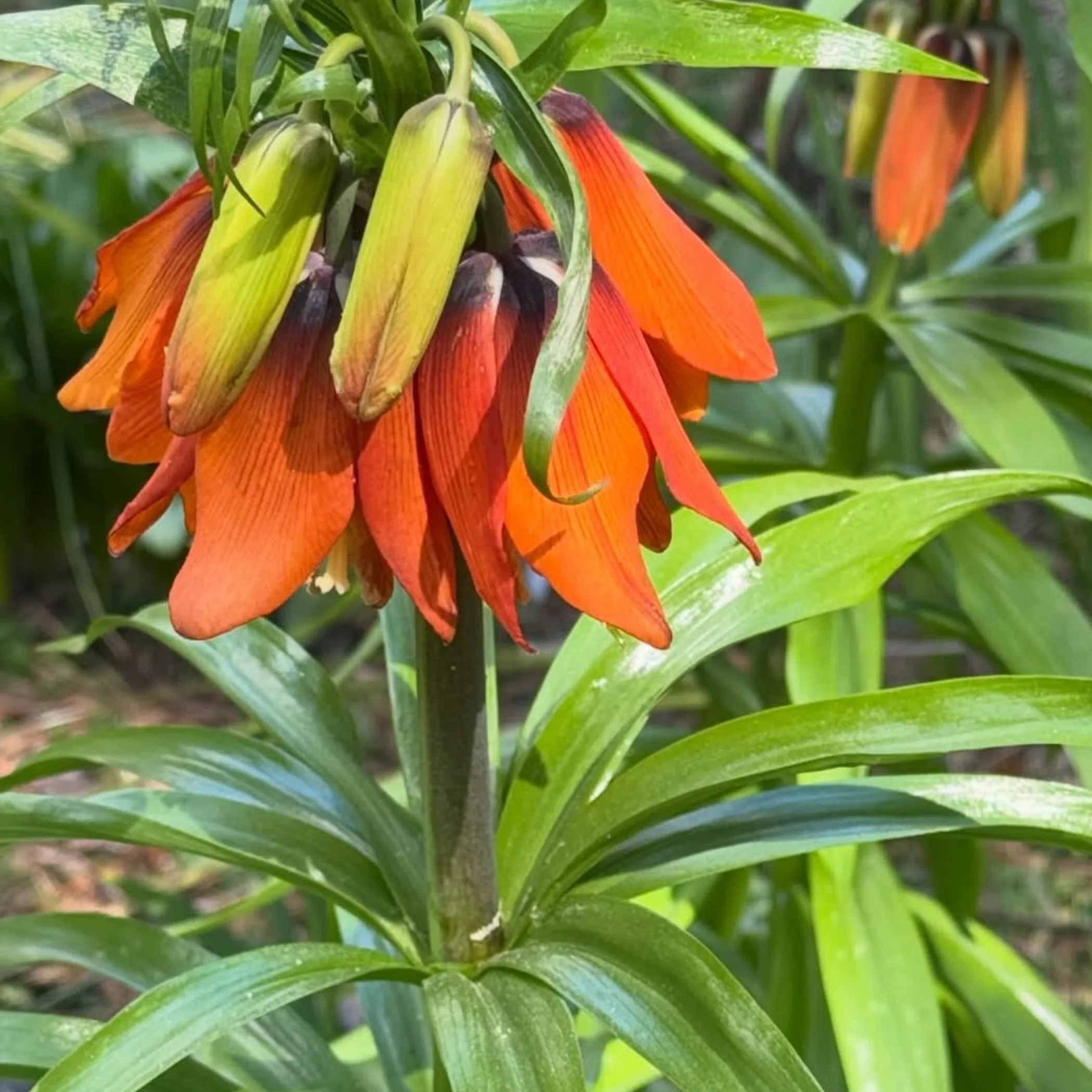
While Mount Tomah is the garden that makes headlines, one would be remiss to think it is what the region has to offer. There are other draws in Leura, Mt Wilson and Katoomba in the form of private gardens, village streets, cafés, lookouts and walks in their vicinity.
Seasonal events and open gardens are fine in their way but they have a way of drawing crowds and making do with temporary parking. It is wise to put in some time on the narrow mountain roads at a reduced speed and to have the event details at hand before you set off.
Stops in Leura and Katoomba
An easy village base with good garden interest and cafés is what a visitor will find in Leura. Katoomba is more to the taste of the traveller who wants to mix in some galleries and walks in the tourist hub with the Three Sisters and the gardens. Weekday travel is to be preferred if one does not want to be like sardines in these towns at the weekend.
Then there is the Leura Gardens Festival, a seasonal fixture of some note. Do not make plans without verifying the dates and access; consider it an occasion for an event day and not your run of the mill garden visit. You will need to put aside extra time for queues, parking and getting from place to place.
Mt Wilson Garden Country
The autumn colour and well-established gardens are what Mt Wilson is known for. It is farther out from central Katoomba than most first timers realise so it is better to group your stops geographically as opposed to criss-crossing the mountains.
One should not expect a public-garden polish at the private open gardens; the paths can be uneven with steps and little in the way of facilities. They are not for those with mobility issues or young children in need of constant activity. A word of advice is to enquire as to access before making the drive or parting with your money.
Making a full day of it
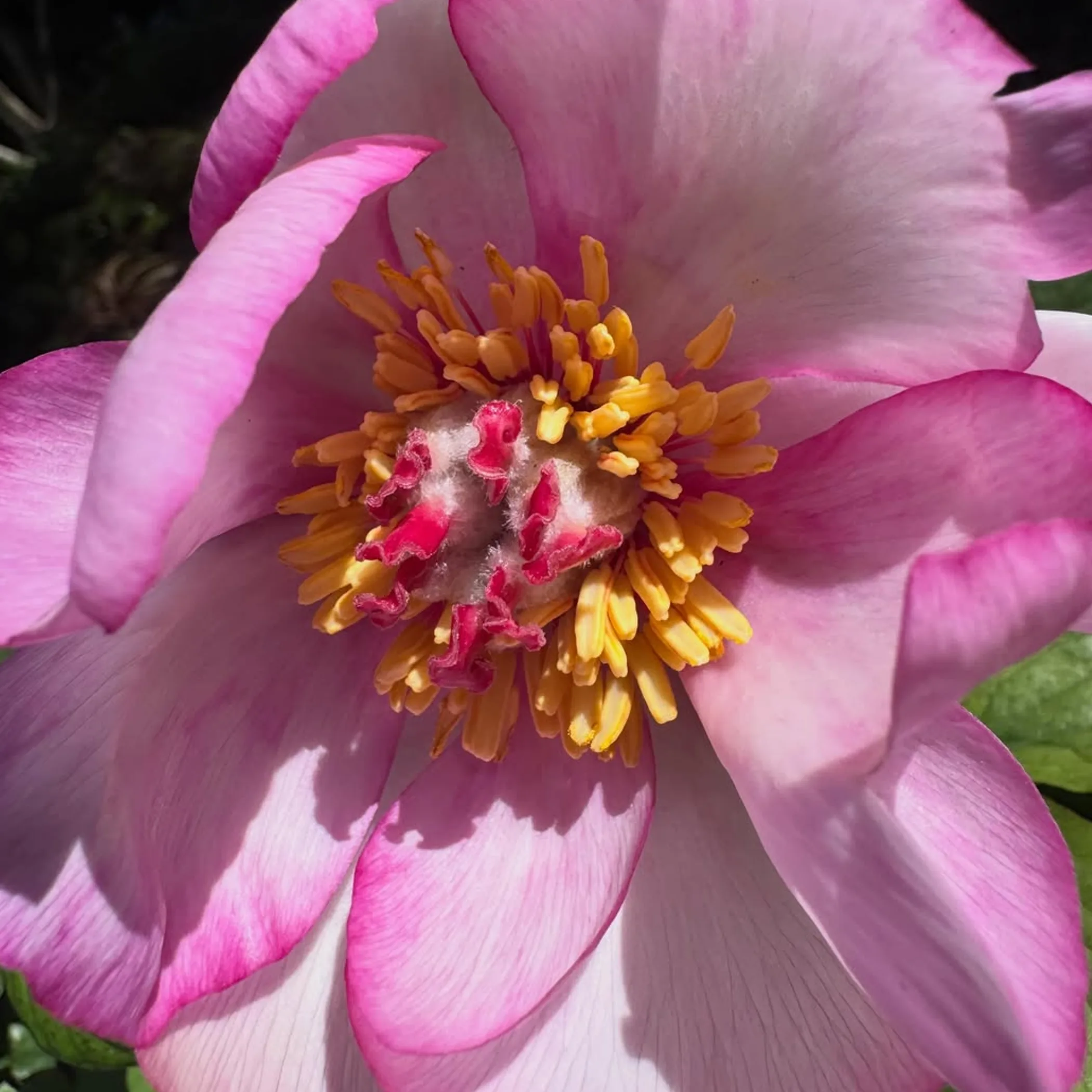
The best way to spend a day at the botanic garden at Mount Tomah is to pick that as your main attraction and limit yourself to two or three other places in the neighbourhood. To attempt to cover every walking track and lookout is to end up in traffic and get nothing but a cursory look in each garden.
From Sydney a sensible plan is to head for Mount Tomah in the morning to see the garden and then on to Bells Line of Road or back through the Blue Mountains as the road and your destination dictate. Put the route on your navigation app ahead of time, reception being what it is.
On transport and timing
You will find a car the most accommodating means of getting about Mount Tomah and Mt Wilson. Public transport will take you to the likes of Katoomba and Leura but is no great convenience for the more secluded gardens. There are tours to save you the driving but they will not give you as much time at any given stop.
Make allowances for a full day from Sydney, say several hours for the garden and any delays due to the weather or traffic. The journey to the mountains from Sydney is two hours each way under normal circumstances, but add in holiday traffic, rain or roadworks and it becomes more. One would not put in a dinner booking in Sydney right after the last lookout.
A checklist for the day
- See to it that you have the current ticket information, opening hours and have checked for fire warnings, the state of the roads and the weather.
- Have some warm clothing and a rain jacket to hand as well as water, snacks, sunscreen and shoes to stand up to the terrain.
- Get your maps downloaded and the tank of fuel topped up while you still have reception.
- Factor in some leeway for parking, photographs and the odd slippery track.
Before you go, consult the NSW National Parks for the Blue Mountains on park conditions and access. Bear in mind the rules may differ between a national park and a garden, so check both where it matters.
Garden Reality as Opposed to Expectation
One would be inclined to expect a placid succession of flowers, quiet paths and the odd bit of sunshine. What you are more likely to come by in reality is something of use: wind and mud, a car park at capacity and perhaps a fine stand of blossoms that justifies the drive.
Those who make the most of the Blue Mountains have an open mind to change. They put on sensible shoes, do not make an issue of seasonal displays and are content with the experience instead of hunting for the ideal photo. The mountains are no theme park and the weather has not put pen to paper on any customer-service pact.
For Whom This Trip Is Suited
The garden itinerary here is for the traveller with an affinity for plants and photography, for those who like a good village café or a road trip without too much rigidity. Couples and families with older children will find it to their liking as a more leisurely way to pass the day than at the big lookouts.
If your idea of a trip involves a tightly run schedule, public transport at hand, unvarying warm weather and paths that are entirely flat, this may not be for you. Access is not uniform across bush tracks, private and public gardens, so visitors with mobility issues are well advised to get in touch with the individual gardens ahead of time.
Some Questions Travelers Ask
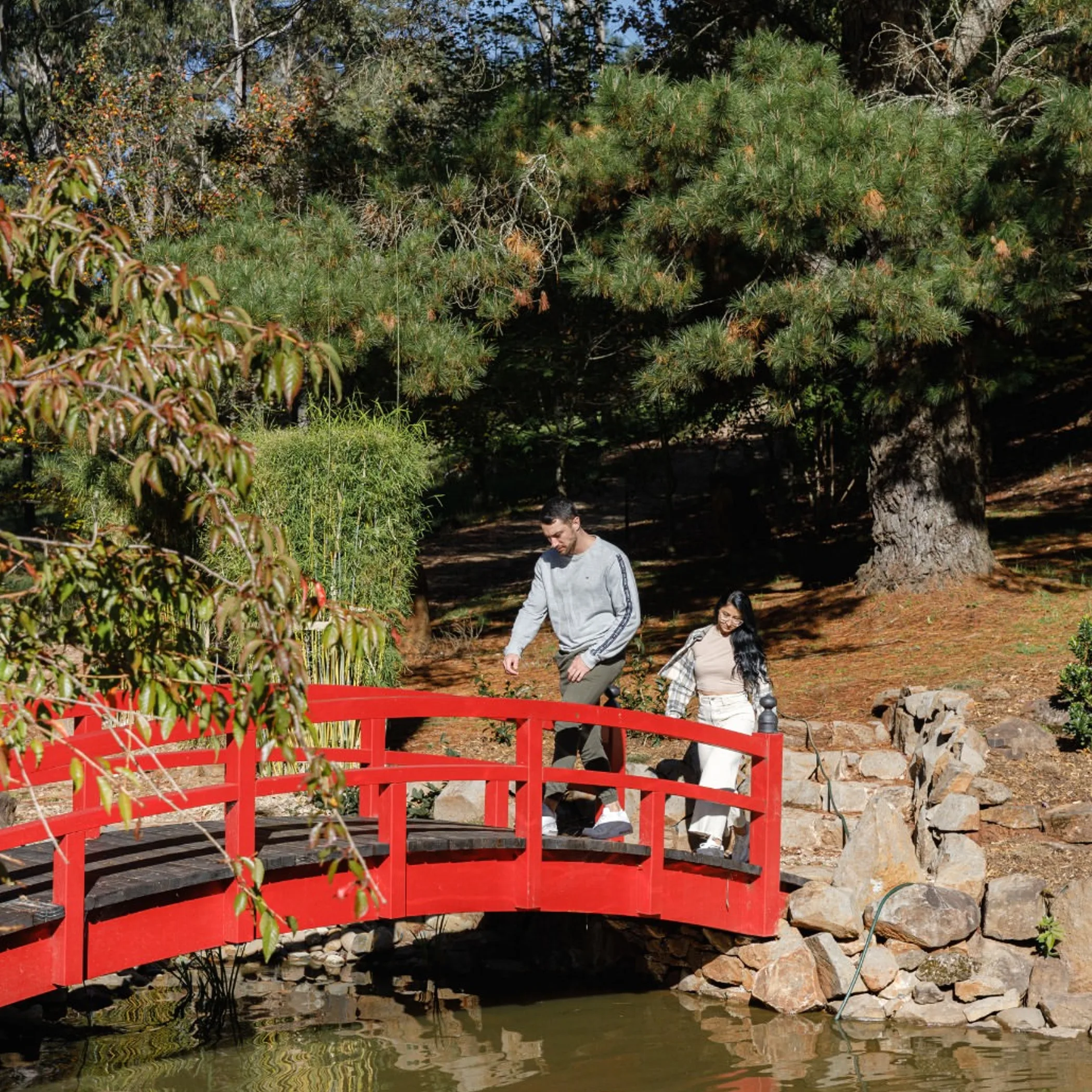
In trying to weigh up convenience against the weather and the foliage one puts on questions; these are the ones I am asked most. The answers are straightforward enough but what makes for the right choice is a matter of what one wants to get out of the day.
Best Time Of Year?
All told spring and autumn are the seasons. For the spring growth and blossoms go in the September to November period, or between March and May for some colour and walking in comfort. Flowers are best in spring, but for a combination of garden and walk in a relaxed manner autumn is often preferable.
Which Month?
October serves you well for the spring gardens. April or May for autumn colour can be excellent. Do not count on any month for peak conditions, the altitude and temperature will see to that as much as the rain. A word of advice is to look up the garden’s current information prior to your travels.
Prettiest Town?
Leura is the easy answer for garden interest, cafés and village streets in a single spot. Katoomba is where you will want to be for the Three Sisters and accommodation, it is more practical. Mt Wilson has better established gardens and autumn foliage if you do not mind a quieter, more spread out place.
Open Gardens?
There are open gardens and events in the Blue Mountains from time to time, in the vicinity of Leura and Mt Wilson for instance. But ticketing and parking can be in flux so it is as well to check on the latest before you set out on a special trip for it.
Is Mount Tomah Worth It?
It is, should you have a taste for the kind of cool-climate plant and seasonal display that is unlike Sydney. Give the garden a few hours of your time, do not be in a hurry. Put in some time there first before making any other stops in the area.
A Matter of Season
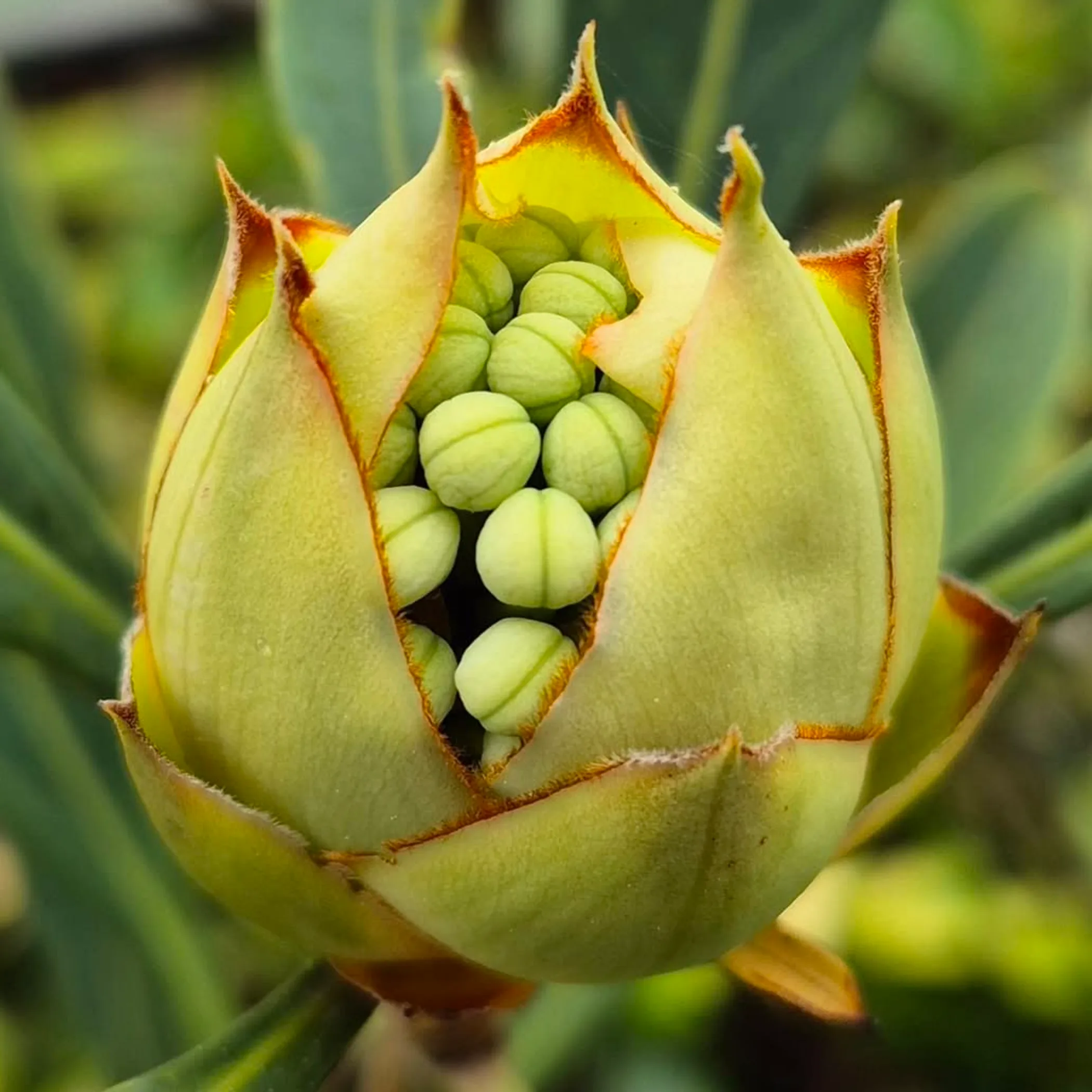
Spring for the flowers, autumn for the colour and the ease of it all are the times to be in the Blue Mountains. The curious plant lover is rewarded in winter and summer is for those who start early and are mindful of fire and weather.
Make of it a proper garden experience and pack for the mountain, not the city. Allow yourself some leeway in the plan and you will be less likely to find yourself at odds with a pair of wet socks or the satnav when in Katoomba, Leura or Mt Wilson.
